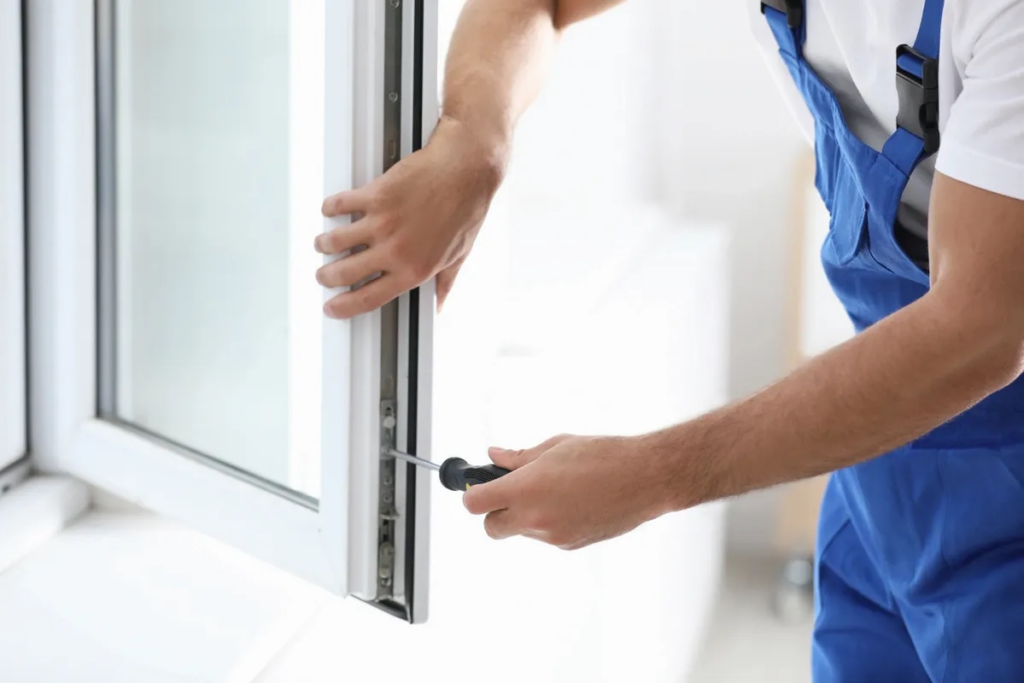
The One Tilt Window Repair Mistake Every Beginning Tilt Window Repair User Makes
Cracked Window Repair: A Comprehensive Guide
Windows are not just openings in a wall; they are essential elements of a home's structure, supplying light, ventilation, and a barrier against the components. Nevertheless, windows are likewise vulnerable to damage, and one of the most typical concerns is a broken window. Whether triggered by a roaming baseball, extreme weather, or the natural aging procedure, a broken window can compromise the integrity and energy performance of a home. This thorough guide will stroll you through the process of fixing a broken window, from assessing the damage to finishing the repair.
Evaluating the Damage
Before diving into the repair process, it's important to evaluate the level of the damage. Not all fractures are developed equal, and the type and area of the crack will identify the finest strategy.
Kind of Crack:
- Hairline Cracks: These are thin, superficial cracks that typically don't jeopardize the window's structural integrity. They can often be repaired with a DIY set.
- Tension Cracks: These are more significant cracks that can occur due to thermal growth and contraction. They might require expert attention.
- Impact Cracks: These are fractures triggered by external forces, such as a rock or ball. They can be deep and might require a full replacement.
Location of the Crack:
- Edge Cracks: Cracks near the edges of the window are more likely to spread and can be more challenging to repair.
- Center Cracks: Cracks in the center of the window are normally easier to handle and may not require a complete replacement.
Depth of the Crack:
- Surface Cracks: These are shallow and can often be buffed out or filled.
- Deep Cracks: These penetrate the glass and may need a more comprehensive repair or replacement.
Tools and Materials Needed
Before you begin the repair, collect the required tools and materials. The precise items will depend on the type and extent of the damage, however here are some typical items you may need:
- Safety Gear: Gloves, shatterproof glass, and a dust mask.
- Cleaning Supplies: Soap, water, and a clean cloth.
- Drill and Drill Bits: For producing holes to inject repair resin.
- Resin Kit: For filling the crack.
- UV Light: To cure the resin.
- Putty Knife: For removing old putty or caulk.
- Caulk or Silicone Sealant: For sealing the edges of the window.
- Replacement Glass: If the crack is too substantial for repair.
Step-by-Step Repair Process
Prepare the Area:
- Safety First: Put on your security gear to secure yourself from glass fragments and chemicals.
- Tidy the Window: Use soap and water to clean up the area around the crack. Make sure the surface area is dry before proceeding.
Drill Holes (If Necessary):
- For much deeper cracks, drill little holes at the ends of the crack to avoid it from spreading. Use a drill bit that is slightly smaller sized than the fracture width.
Use the Resin:
- Inject the Resin: Using the syringe offered in the resin set, inject the resin into the crack. Start from the bottom and work your way up.
- Fill the Holes: If you drilled holes, fill them with resin also.
Treat the Resin:
- UV Light: Use a UV light to cure the resin. Follow the producer's directions for the curing time, which can vary from a few minutes to a number of hours.
- Natural Sunlight: If a UV light is not readily available, position the window in direct sunshine to cure the resin.
Smooth the Surface:
- Once the resin is treated, utilize a putty knife to smooth the surface area. mobile window repair with fine-grit sandpaper.
Seal the Edges:
- Apply a thin layer of caulk or silicone sealant around the edges of the window to make sure a leak-proof seal.
Check the Window:
- Once the sealant is dry, check the window for leaks by running water over it. If water seeps through, use extra sealant as required.
When to Call a Professional
While many little fractures can be repaired with a DIY kit, there are situations where professional aid is required:
- Large or Multiple Cracks: If the window has multiple cracks or the crack is comprehensive, it might be more cost-efficient to replace the window.
- Structural Damage: If the crack has actually jeopardized the structural integrity of the window, an expert can assess and repair the damage.
- Old or Historic Windows: If your home has old or historic windows, a professional can make sure that the repair matches the initial design and materials.
FAQs
Q: Can a cracked window be fixed, or does it always need to be replaced?A: Many small cracks can be fixed utilizing a DIY package, but larger or more complicated cracks might require a complete replacement. Assess the type and level of the damage to identify the best strategy.
Q: How long does it take for the resin to cure?A: The curing time for the resin can differ depending upon the item. The majority of resins treat within a few minutes to several hours when exposed to UV light or sunlight. Always follow the manufacturer's guidelines.
Q: Can I repair a cracked window myself, or should I work with an expert?A: For little, shallow fractures, a DIY repair is often enough. However, if the crack is deep or comprehensive, or if the window belongs to a historical or important structure, it's best to consult an expert.
Q: How much does it cost to repair a cracked window?A: The cost of repairing a broken window can vary extensively depending on the kind of repair required. Do it yourself kits are relatively affordable, varying from ₤ 20 to ₤ 50. Professional repairs can cost several hundred dollars, and replacement windows can cost anywhere from ₤ 100 to ₤ 1,000 or more, depending upon the size and material.
Q: Will a repaired crack show up?A: While a professional repair can reduce presence, some cracks might still be visible. The goal is to bring back the window's stability and performance, even if the repair is not entirely invisible.
A cracked window can be a problem, but with the right tools and method, many little fractures can be repaired successfully. Whether you choose to deal with the repair yourself or call in a professional, attending to the problem without delay is important to maintain the security and energy effectiveness of your home. By following the steps outlined in this guide, you can make sure that your windows remain in leading condition for many years to come.